Case #13633
Gynecomastia.
Gynecomastia is a condition in which male breast tissue becomes enlarged due to an increase in true glandular tissue, fat, or a combination of both. It can affect one or both sides of the chest and may be associated with tenderness, fullness beneath the nipple–areola complex, or visible chest asymmetry.
Gynecomastia is common and can occur at several life stages, including infancy, puberty, and later adulthood.
Many cases—especially during puberty—improve over time without surgery. In other situations, breast enlargement persists, progresses, or causes discomfort or distress. Because gynecomastia can occasionally be related to medication effects, hormone imbalance, or underlying medical conditions, an evaluation by a physician is an important part of care before any procedure is considered.
Dr. Sadowski approaches surgery to correct gynecomastia as an anatomy-based, medically guided process. The goal is to identify the likely contributors to chest enlargement, clarify whether surgery is appropriate, and develop a plan that prioritizes safety, predictable healing, and a natural chest contour.
Why Choose Dr. Sadowski?
Dr. Sadowski is a double board–certified plastic and reconstructive surgeon and a member of the American Society of Plastic Surgeons. Her approach emphasizes careful evaluation, thoughtful surgical planning, and clear communication about options and tradeoffs.
Gynecomastia surgery can range from relatively straightforward (fat-predominant enlargement treated with liposuction) to more complex (dense gland removal, skin excess, or significant asymmetry). Dr. Sadowski’s planning process is focused on tissue characteristics, scar placement, nipple–areola positioning, and long-term chest contour stability.
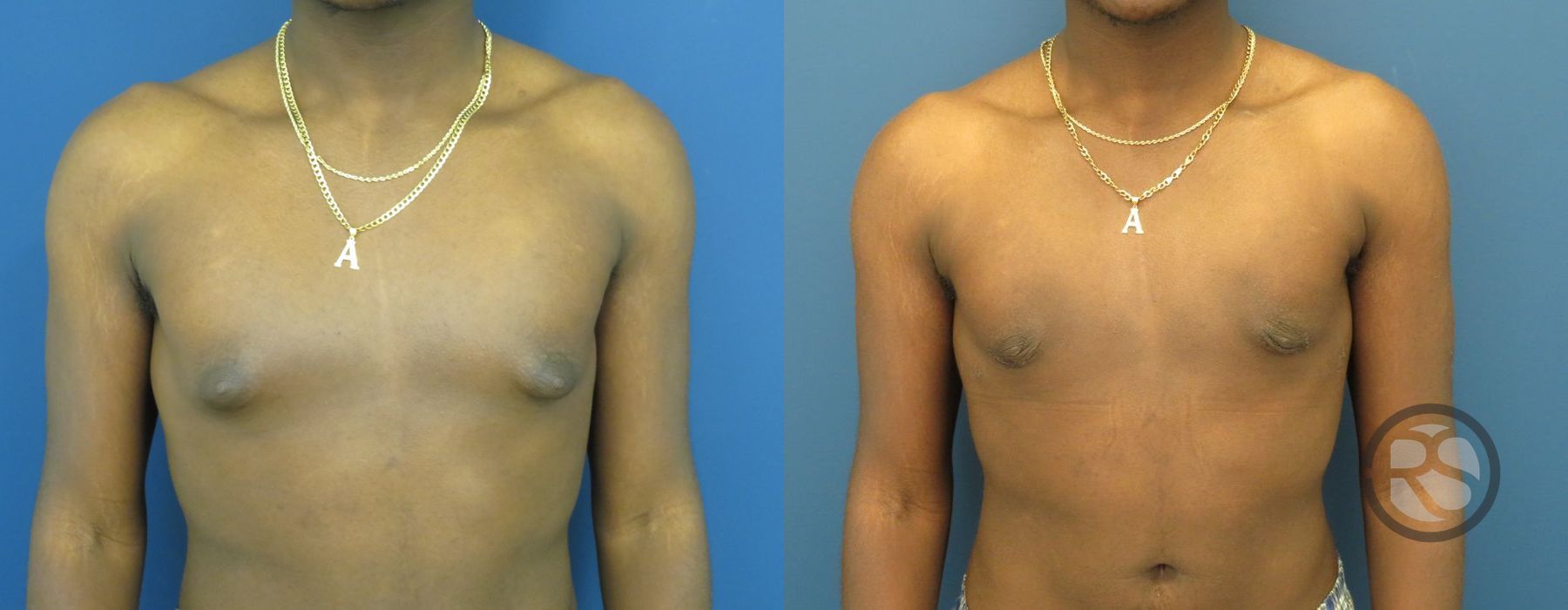
Gynecomastia before & after gallery
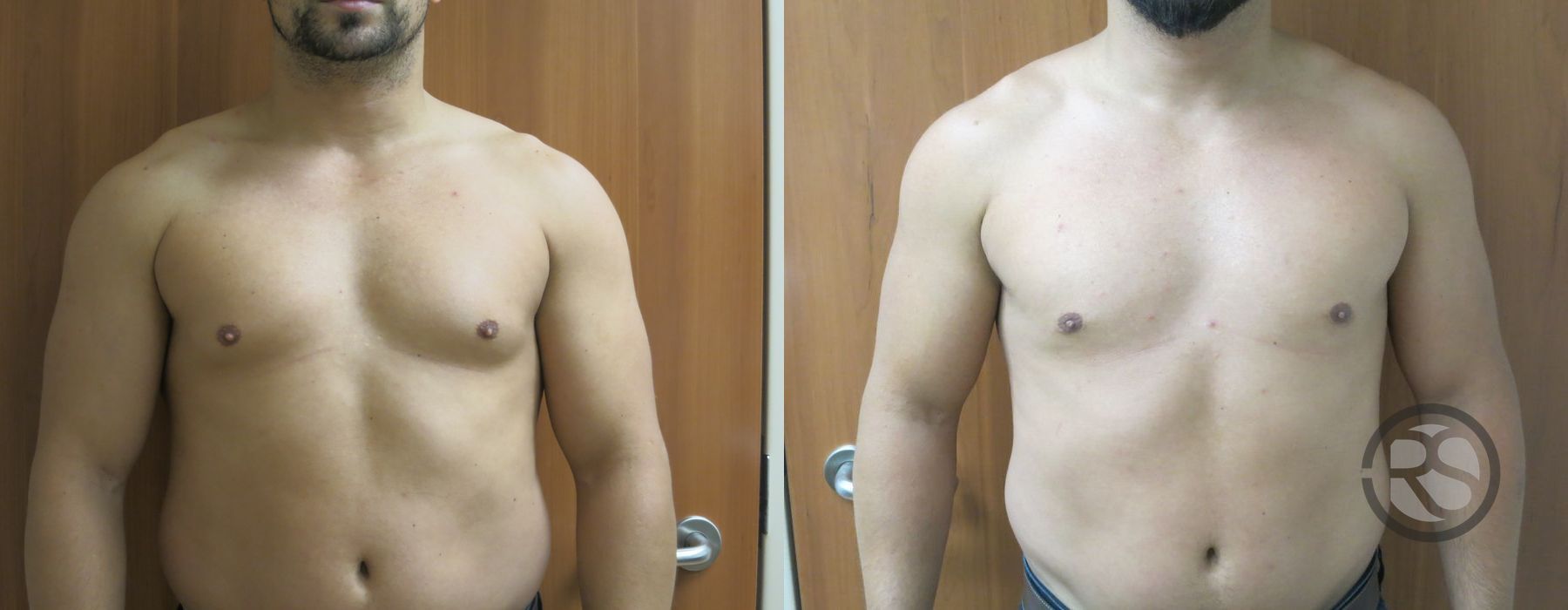
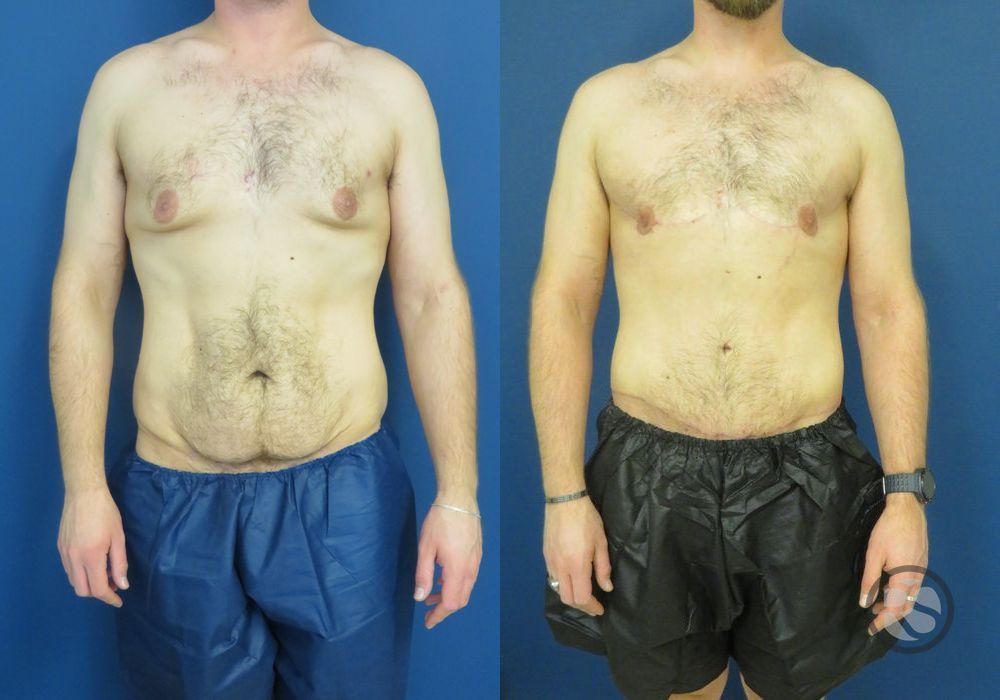
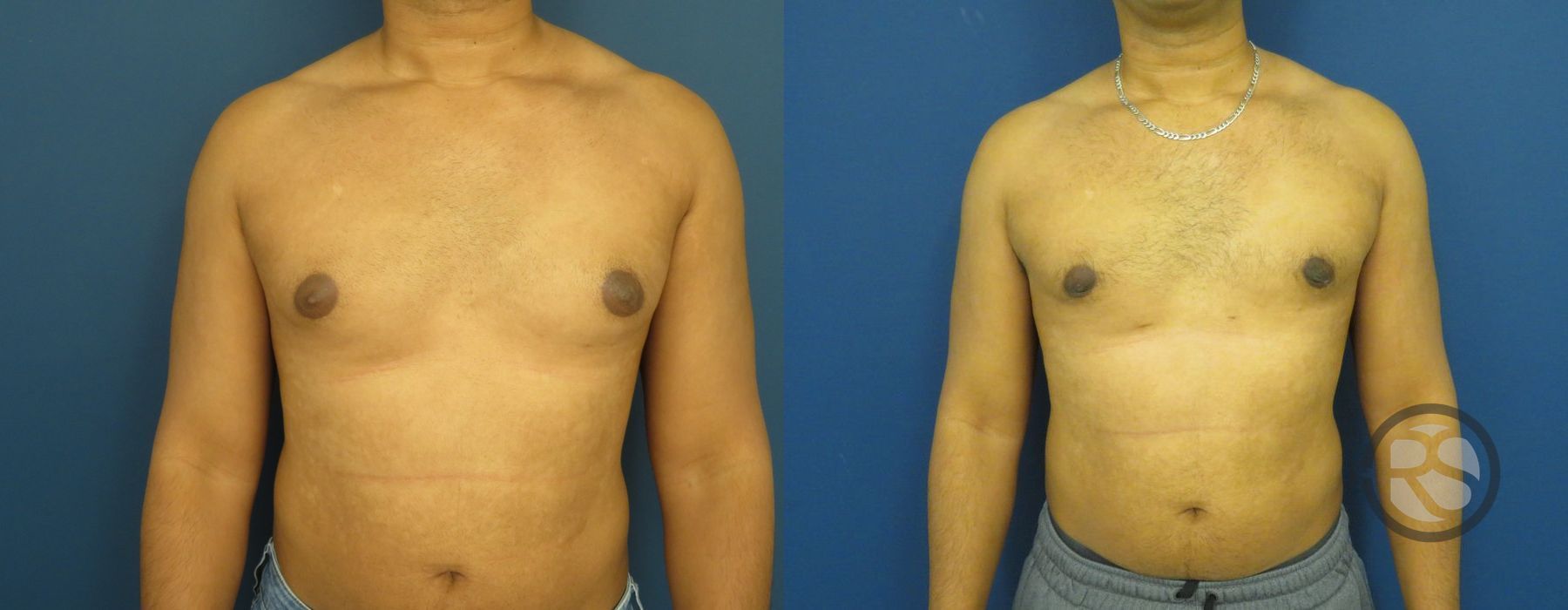
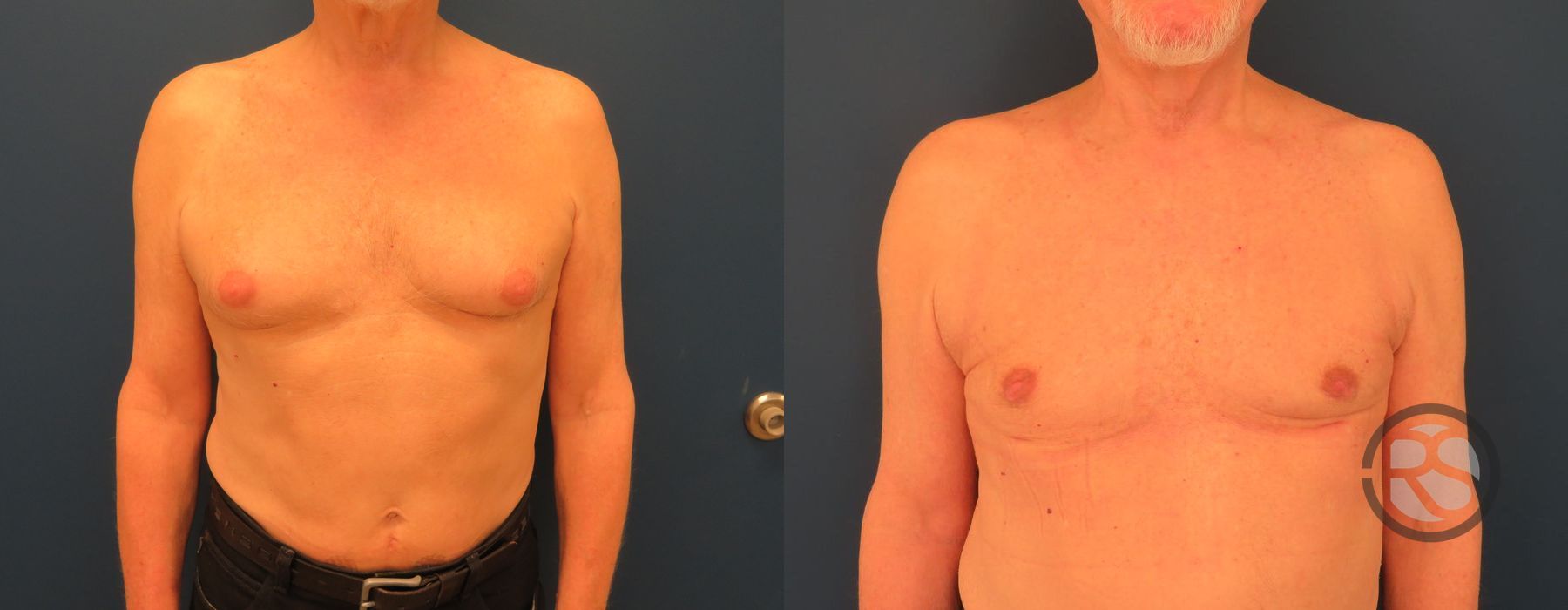
What is Gynecomastia?
Gynecomastia refers to enlargement of the male breast region. Clinically, it is helpful to distinguish between:
- True gynecomastia: enlargement driven primarily by glandular breast tissue, often felt as a firm or rubbery disc beneath the nipple–areola complex.
- Fat-predominant chest fullness (sometimes called pseudogynecomastia): enlargement driven primarily by fatty tissue, often associated with overall weight gain.
- Mixed gynecomastia: a combination of gland and fat, which is common.
Gynecomastia may be related to physiologic hormone shifts (such as puberty), medications or substances, chronic medical conditions, endocrine disorders, or, more rarely, tumors that affect hormone production. While breast cancer in men is uncommon, new or unusual breast findings should be evaluated—especially if there is a hard mass, nipple discharge, skin changes, rapid growth, or enlarged lymph nodes.
Are there different kinds of Gynecomastia and what are they?
Gynecomastia varies in both tissue composition and skin/contour changes. Surgical planning is typically based on:
- The amount of glandular tissue
- The amount of fatty tissue
- Skin elasticity and degree of excess skin
- Nipple–areola size and position
- Asymmetry between sides
- History of weight change or prior chest procedures
Common surgical approaches include:
Liposuction-focused reduction (fat-predominant or mixed cases)
When excess volume is primarily fat (or fat with a smaller gland component), liposuction may be used to reduce fullness and refine contour through small incisions. Liposuction alone may be sufficient in selected patients with good skin elasticity.
Gland excision (dense glandular tissue beneath the areola)
When firm gland tissue is a significant contributor—especially beneath the nipple—direct excision is often necessary. This is typically performed through a carefully planned incision along the areola border to minimize scar visibility. Many patients require a combination of liposuction and excision for balanced contour.
Skin tightening or skin removal (cases with skin excess)
If the skin has stretched significantly—due to long-standing gynecomastia, major weight loss, or aging—additional procedures may be needed to address excess skin and nipple position. Options vary by anatomy and may involve longer scars. This portion of planning is highly individualized because scar placement and contour goals must be balanced carefully.
Staged versus single-stage approaches
In many patients, reduction can be performed in one surgery. In others—particularly when skin excess is significant or when contour refinement is complex—staging may be discussed to improve predictability and reduce risk.
Am I a candidate for Gynecomastia Surgery?
Candidates for gynecomastia surgery often include patients who:
- Have persistent chest enlargement that has not resolved over time
- Have discomfort, tenderness, or functional limitation related to chest tissue
- Have stable weight (or a realistic plan for stability)
- Are in good overall health for surgery and anesthesia
- Do not smoke/vape nicotine or are willing to stop (nicotine increases wound-healing risk)
- Understand the role of scars and the healing timeline in achieving improved contour
You may need additional evaluation or preparation first if you:
- Are in childhood or early puberty (observation is often appropriate unless there are special circumstances)
- Have recent-onset enlargement, rapid growth, a hard mass, nipple discharge, or skin changes
- Have a medication/substance exposure that may be contributing (including anabolic steroids, certain supplements, or marijuana products)
- Have symptoms or history suggesting an endocrine, liver, kidney, or testicular condition
- Are planning significant weight change in the near future
- Currently smoke or vape
What are the benefits of Gynecomastia surgery?
Benefits vary based on anatomy, tissue type, and skin quality. During consultation, the discussion focuses on what changes are realistic and what tradeoffs (including scars) may be involved.
Patient Timeline
While timelines vary, a typical course includes:
Consultation and evaluation (including consideration of medical evaluation if indicated)
Surgical planning (technique selection based on tissue type and skin elasticity)
Surgery (time varies based on complexity)
Early recovery over the first 1–2 weeks with activity restrictions
Gradual return to exercise over several weeks, guided by healing and surgeon instructions
Follow-up visits to monitor swelling, contour evolution, and scar maturation
What is the First Step?
The first step is an in-depth consultation. Dr. Sadowski will review your concerns, medical history, medications/supplements, and the timing of chest changes. A physical exam helps determine whether fullness is primarily fat, gland, or mixed, and whether there is skin excess or nipple–areola malposition.
When appropriate, medical evaluation or imaging may be recommended—particularly for new, asymmetric, or concerning findings. The goal is to clarify whether surgery is elective, medically advisable, or best postponed until evaluation is complete.
What to expect on the day of surgery?
Gynecomastia surgery is commonly performed under general anesthesia. The surgical plan—liposuction, excision, skin management, and scar placement—should be established in advance. Many procedures are outpatient, meaning you return home the same day with detailed recovery instructions and scheduled follow-up.
A compression garment is often used after surgery to support swelling control and contour stabilization, depending on the technique performed.
What is the recovery like?
Recovery varies based on the amount of tissue removed and whether skin excision is required. Most patients experience soreness, bruising, and swelling rather than sharp pain. Swelling and contour irregularities can improve gradually over weeks to months.
Activity is typically advanced in stages:
- First week: rest, walking as tolerated, avoid heavy lifting and chest strain
- Weeks 2–4: gradual return to light activity; continued garment use if recommended
- Weeks 4–6+: progressive return to exercise when cleared, including upper-body activity
Dr. Sadowski uses multimodal pain-management strategies and provides individualized guidance to protect healing tissues and optimize contour.
How long do the results last for Gynecomastia?
Results are intended to be long-lasting, and for many patients a single surgery will be all that they need. However, the chest can change over time due to:
- Weight fluctuations
- Hormonal changes
- Ongoing medication or substance effects
- Use of anabolic steroids or certain supplements
Maintaining stable weight and addressing modifiable contributors (when possible) can help preserve results. If gland tissue is removed, recurrence is less likely, but it is not impossible in the presence of ongoing hormonal drivers.
What other procedures can be combined with Gynecomastia?
When appropriate, gynecomastia surgery may be combined with procedures such as:
- Liposuction of adjacent chest or flank areas for contour balance
- Skin tightening/removal procedures when significant laxity is present
- Other body contouring procedures in selected patients when operative time and recovery demands are appropriate
Combination planning depends on health status, operative time, and your recovery capacity.
What other options are there if I’m not ready for surgery?
Non-surgical options depend on the cause and may include:
- Observation (especially in pubertal gynecomastia, which often improves over time)
- Medication review with your prescribing clinician when a drug effect is suspected
- Evaluation and treatment of hormone imbalance or underlying medical conditions when indicated
- Weight stabilization strategies when fat-predominant fullness is present
- Compression garments for temporary contour support
A key step is distinguishing what is likely to improve with non-surgical measures versus what is structural and unlikely to resolve without surgery.