Case #19217
Breast Reduction in Boston.
Women with large breasts often suffer from back pain, shoulder strap grooving, and rashes.
Introduction to Breast Reduction
Breast reduction (also called reduction mammaplasty) is primarily a breast surgery to reduce the size and weight of the breasts. In addition, the surgery will reshape the breast, providing improved proportion and support. For many patients, the goal is not only aesthetic balance, but also relief from symptoms that can come with heavier breast tissue—such as neck, back, or shoulder discomfort; bra-strap grooving; and skin irritation beneath the breast.
Patients vary widely in terms of their goals of breast size and shape, as well as their symptoms. Some patients desire “yoga boobs” while others wish their upper torso to better match the lower. Dr. Sadowski will work with you to create a surgical plan that marries aesthetic goals with safety, predictable healing, and improved breast shape. Schedule a consultation at our Chestnut Hill office, just five miles outside of Boston to learn more about your options for breast reduction.
Breast Reduction before & after gallery
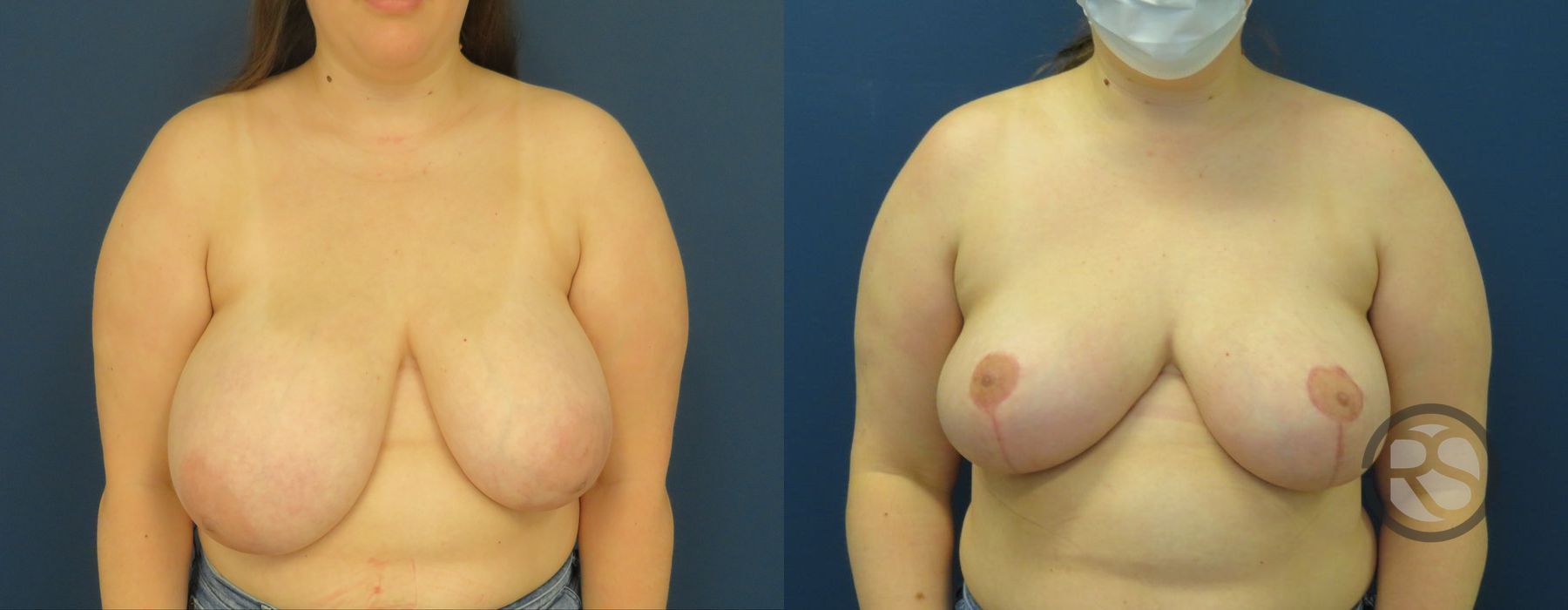
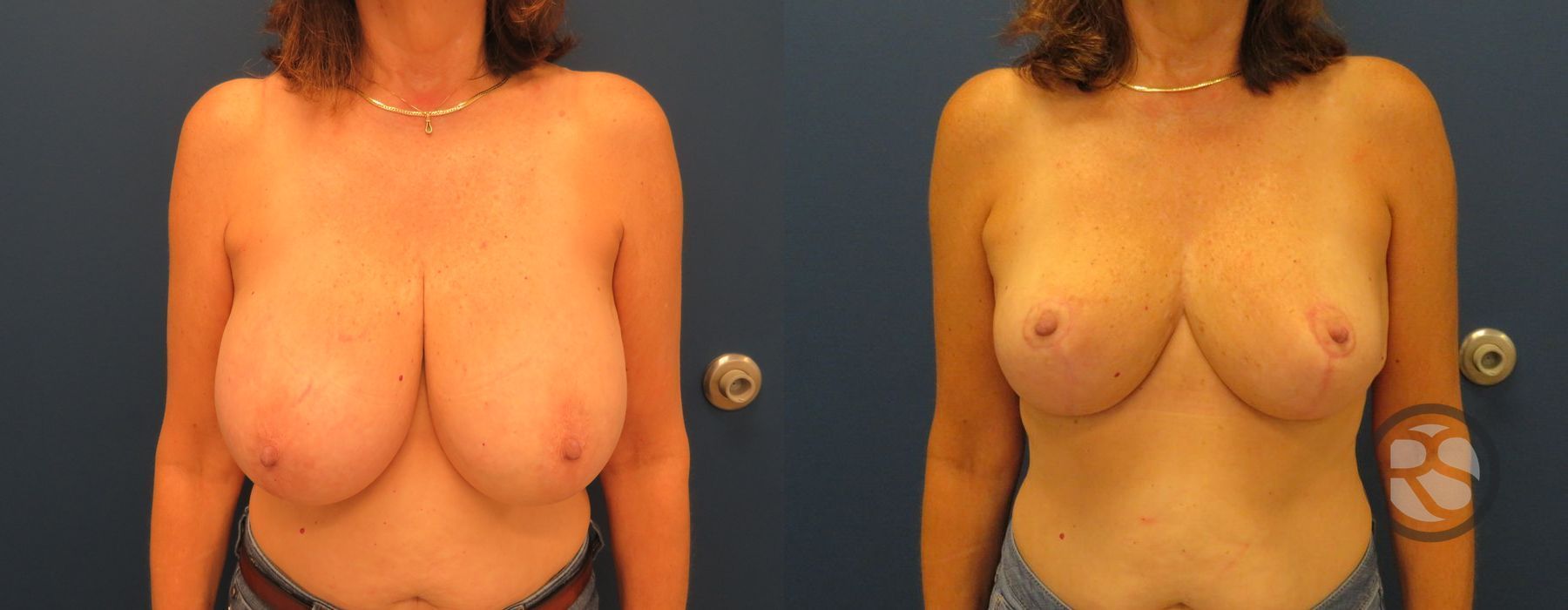
Case #17650
Breast Reduction
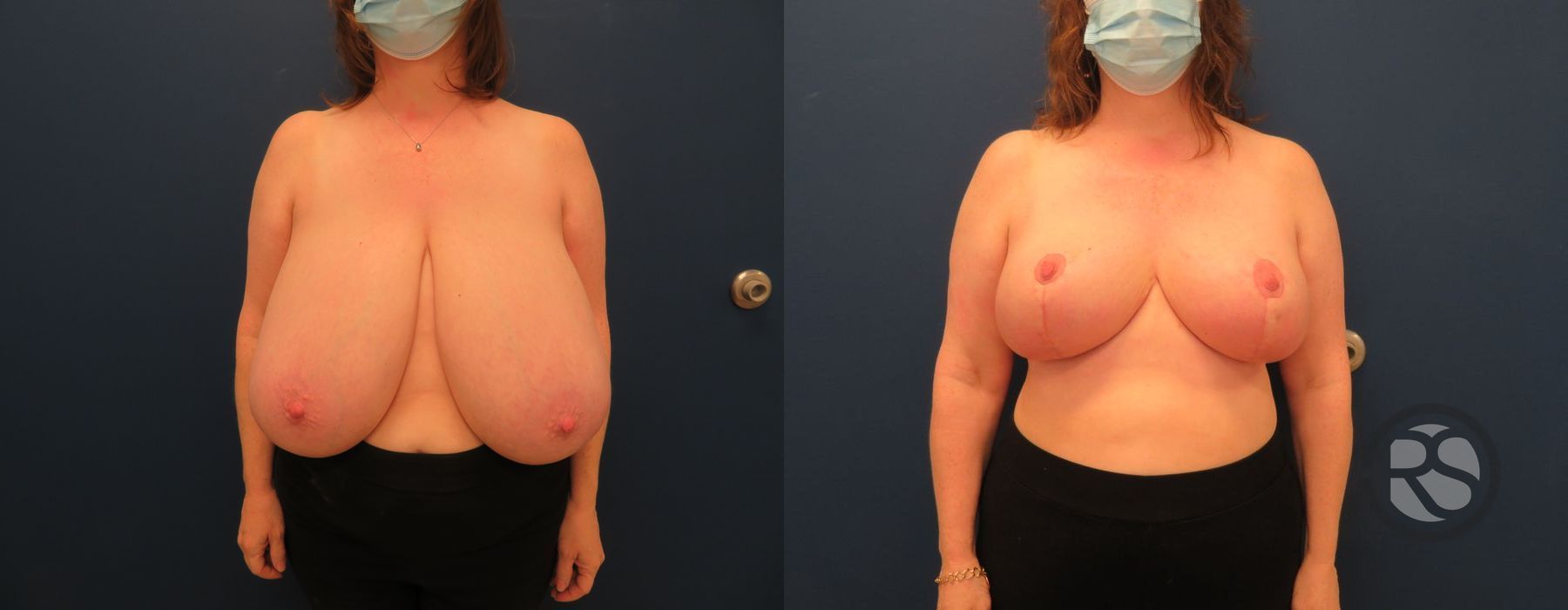
Case #16038
Breast Reduction
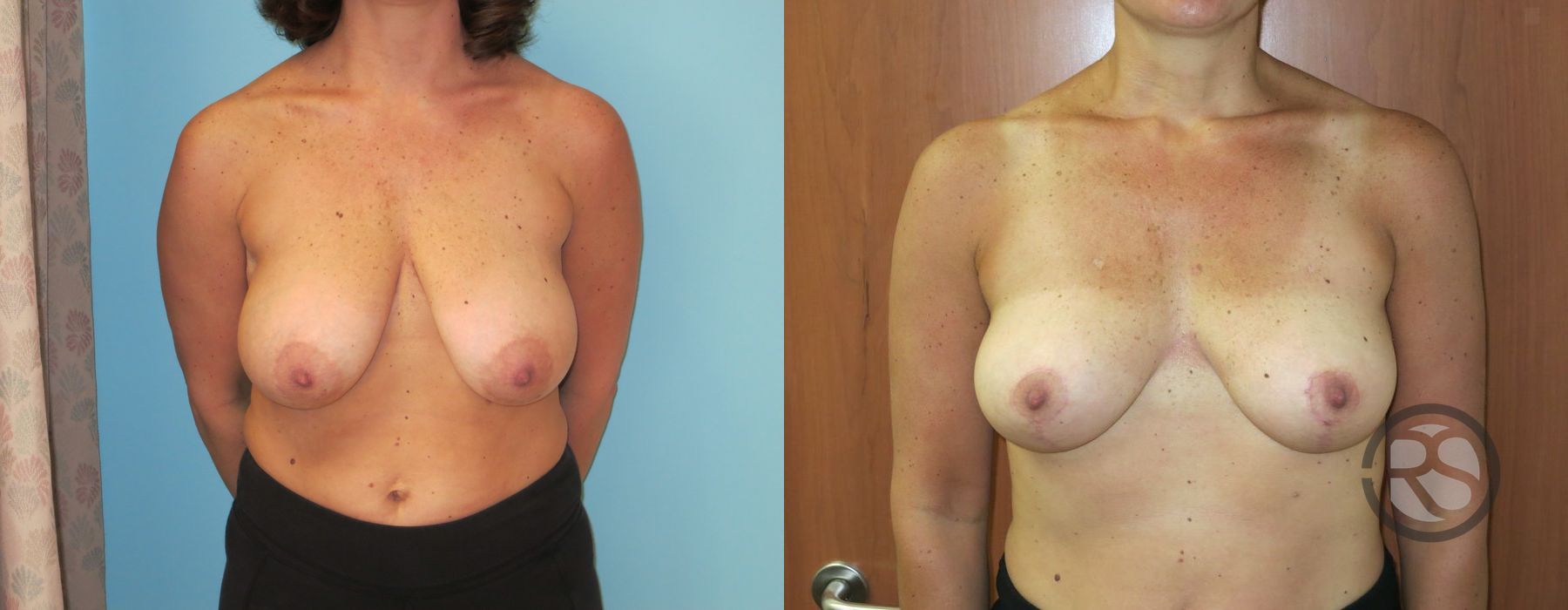
Case #13648
Breast Reduction
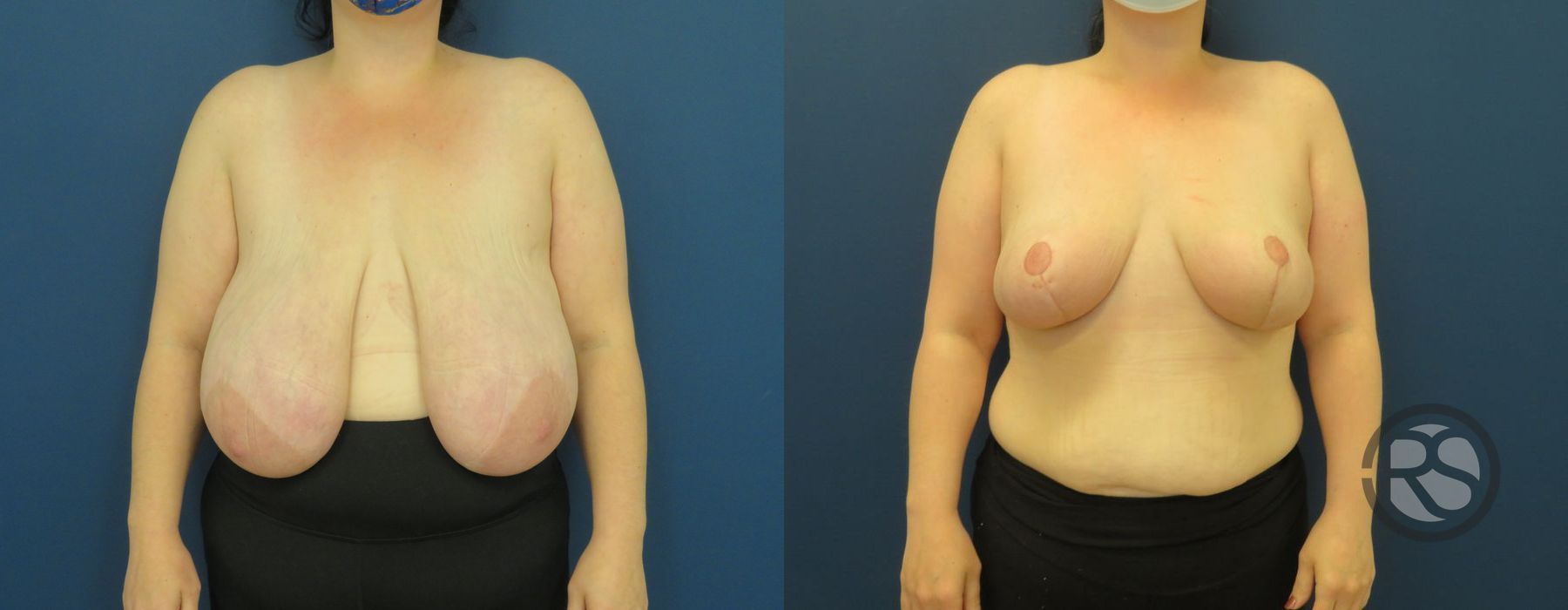
Case #16040
Breast Reduction
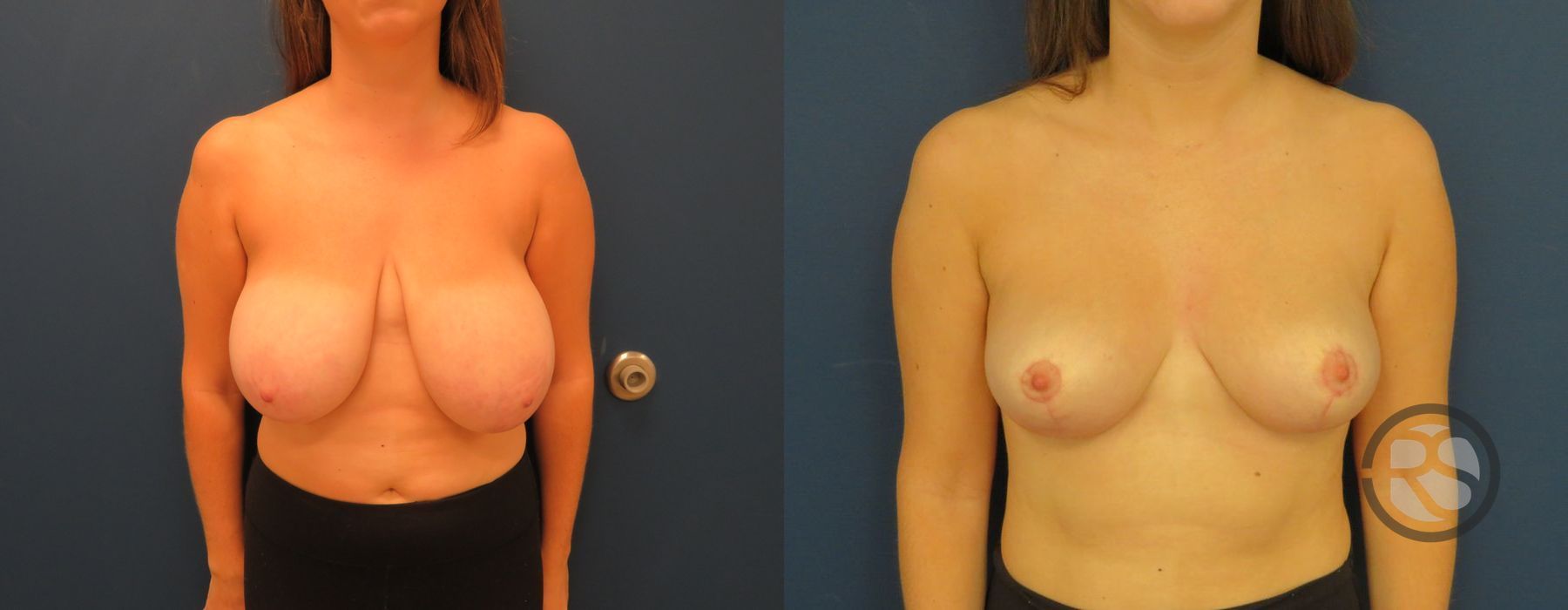
Case #13646
Breast Reduction
What is a Breast Reduction?
A breast reduction is an operation that:
- Removes excess breast glandular tissue, fatty tissue, and skin.
- Re-shapes the remaining breast.
- Repositions the nipple-areola complex and re-sizes the areola to match the new breast shape and size.
- Improves symmetry between the breasts.
Because breast size is influenced by a combination of anatomy, hormones, body weight, and genetics, breast reduction is individualized. Dr. Sadowski will help you navigate your options to identify a plan that focuses on:
- Aesthetic outcome
- Symptom relief and function
- Proportion relative to the chest and overall frame
- Safe wound healing and predictable reshaping
- Long-term breast health planning (including age-appropriate screening)
Connect with our Chestnut Hill area team to schedule your consultation for breast reduction surgery.
What Are the Different Types of Breast Reductions?
Dr. Sadowski will tailor your breast reduction techniques based upon breast size, degree of droop (ptosis), skin quality, prior surgical scars, expected tissue perfusion, sensory nerve anatomy, and the amount of tissue planned for removal. Common variables include:
Incision patterns
Most breast reductions use one of these incision patterns. Dr. Sadowski does not believe that any one incision pattern is superior to another. Each has benefits and limitations. During your consultation she may suggest one of the following:
- Periareolar (“donut”): incision around the areola. This technique provides the smallest scar, but also is limited in how much reduction/reshaping it can achieve.
- Vertical (“lollipop”): incision around the areola plus a vertical line to the breast crease. This technique can address small to moderate amounts of tissue reshaping. It is more dependent on tissue elasticity than some other methods.
- J-Shaped: a combination of a “lollipop” incision and an incision along the crease that travels in a single direction.
- Inverted-T / Wise pattern (“anchor”): around the areola + vertical line + along the crease. This incision technique provides the greatest control and flexibility when significant skin removal and reshaping is needed.
Internal reshaping and nipple support (why it matters)
Except in rare cases, the technique used will keep the nipple attached to a “pedicle” of tissue. This matters because:
- The blood supply to the nipple–areola complex is better preserved
- Nerve connections are maintained, with less risk of sensory loss of the nipple
- Breastfeeding potential is improved when the pedicle is chosen for this purpose
Learn more about the specific details of a breast reduction and reshaping during a consultation at our Boston/Chestnut Hill area office.
Liposuction as an adjunct
Many patients also have concerns not only about the size and shape of the breast, but about the tissue directly adjacent to the breast in the axilla (arm pit) or along the side of the breast. For selected patients, addition of liposuction can bring improved comfort, reducing tissue that rolls over the edges of the bra.
Liposuction alone does not address excess skin or significant droop (ptosis), so it’s typically not a substitute for a true reduction when lifting/repositioning is also needed.
Male Breast Reduction
Male breast reduction is typically performed for gynecomastia, a condition in which male breast tissue becomes enlarged. Gynecomastia may occur at different life stages and can sometimes resolve on its own (especially in infancy or early adolescence). In adults, evaluation is important because enlargement can be related to hormone imbalance, medical conditions, tumors, or medications/substances.
The evaluation process usually includes:
- Medical evaluation first (to identify reversible causes when appropriate)
- Surgical planning based on whether the enlargement is primarily gland, fat, skin excess, or a combination
- Techniques that may involve gland excision, liposuction, and sometimes skin tightening/removal to create a flatter, more traditionally masculine chest contour.
For more information about gynecomastia, schedule a consultation with Dr. Sadowski in the Chestnut Hill area of Boston.
Am I a candidate for Breast Reduction?
Many patients wait years for their breast reduction, silently suffering with symptoms on a daily or weekly basis. Excellent candidates for breast reduction have:
- Breast size or weight that contributes to physical symptoms such as back, neck or shoulder pain, or regular headaches
- Breast size or weight that creates functional limitations such as the inability to exercise
- Persistent skin irritation or intertrigo (fungal infections at the fold of the breast)
- Good overall health
- Stable weight (or a realistic plan for stability)
- Ability to commit to post-operative restrictions and follow-up care
- Understanding that surgery trades symptom relief and proportion for permanent scars and a healing process
You may not be ready right now (or may need preparation first) if you:
- Smoke/vape nicotine because this increases the wound-healing risk
- Have uncontrolled medical conditions (e.g., diabetes not well-managed)
- Are planning major weight changes in the near future
- Are pregnant or breastfeeding, or strongly wish to breastfeed in the near future (timing matters)
- Need additional medical workup for breast symptoms or lumps.
- Remember, oncoplastic surgery (which includes cancer removal, breast reduction as well as reshaping of the breast) is often an option for patients with breast cancer who require lumpectomy for cancer control. Sadowski has performed many oncoplastic surgeries. The best time to undergo oncoplastic surgery is simultaneous or quickly following the lumpectomy, and prior to radiation therapy. After radiation is completed, some patients are no longer a candidate to achieve the breast volume they desire. Let our team know if you are being evaluated for a possible breast malignancy.
The easiest way to determine if you are a candidate for breast reduction surgery is to schedule a consultation with Dr. Sadowski in Chestnut Hill, just outside of Boston.
What are the benefits of a Breast Reduction?
More than 94% of patients undergoing breast reduction describe themselves as being highly satisfied with their decision! Benefits of breast reduction include:
Physical relief: less heaviness and strain on the neck/shoulders/back. This leads many patients to have better posture and standing straighter, with less discomfort when required to lean forward.
Reduction in headaches: when tension from breast weight contributes to migraine frequency or severity.
Improved skin comfort: reduced chafing, and fungal infections is achieved by many patients
Athletic freedom: By reducing the weight of the breast, patients can engage in a wider range of exercise, and daily movement can feel more free
Clothing fit: bras and tops may fit more predictably, allowing for better fit through the shoulder and torso.
Correction of Asymmetry: Patients with 1 or more cup size disparity between the breasts will often gain better symmetry and ease in finding bras and clothing without the need for special tailoring.
Proportion and balance: a breast shape and size that feels more in line with the patient’s frame
A more youthful appearance: reduction in breast weight and reshaping of the breast creates an elevated nipple position, and many patients feel that this appears more athletic and youthful.
Increased self confidence and self-esteem: For the woman who feels that disproportionately more attention is given to their breasts, a breast reduction can provide an improved self-image, impacting them well beyond the physical transformation.
Learn more about the benefits of breast reduction surgery and how they can impact you specifically during a one-on-one visit with Dr. Sadowski in the Boston area.
Patient Timeline
Schedule consultation
Meet with surgeon 45-60 minutes
Provide supporting documentation to office
Schedule surgery
Breast Reduction Surgery 1.5 - 3.5 hours depending on anatomical factors
Rest and recovery plan 1-6 weeks.
Dr. Sadowski and her team will customize your treatment plan. The timeline provided is a guide, but will be tailored based on your individual needs.
What is the First Step?
The first step to starts with knowledge about the procedure. When you schedule an appointment at New England Reconstructive & Aesthetic Surgery, you will meet one-on-one with Dr. Sadowski in our award-winning office. She will spend time with you and discuss not only your concerns about your breasts, but your health, your lifestyle, and your goals for the future. If you and Dr. Sadowski agree that a breast reduction is your best treatment path, our team will help to schedule surgery.
What to expect on the day of surgery?
The good news is that you will be very prepared on the day of surgery. Dr. Sadowski will have already discussed with you the surgical plan that best meets your goals, along with its risks, benefits and alternatives. Any changes to your medications or regular treatment regimen will have occurred. You will have all of your medications for after surgery. Because this surgery requires general anesthesia, you will need a responsible adult to bring you to and from the surgical facility. In effect, all you will need to do now is show up and let the healing begin.
What is the breast reduction recovery like?
Recovery varies depending on the extent of reduction, incision pattern, and individual healing. Dr. Sadowski’s patients benefit from the use of local nerve blocks, which may last as long as 3 days. She is a proponent of the use of ERAS (Early Recovery After Surgery) protocols, and non-opiate alternatives to pain control.
Most patients can expect to progress over the following weeks to months with the following timeline as a guide (for specifics, please refer to Dr. Sadowski’s personal recommendations):
- Immediate: The sense that breasts feel lighter. Walking is allowed.
- First week: Resting, no lifting, straining. Walking is allowed.
- Weeks 2–4: Gradual increase in light activity starting with something gentle like Yoga and progressing toward stationary bike aerobic exercise; many people return to desk work in this window depending on comfort.
- Weeks 4–6+: progressively increase exercise and upper-body training when cleared. Most patients return to all regular activities by the end of 6 weeks.
- Weeks 8-12: Most of breast swelling has resolved. New bras can be fitted.
- 1 year: Final breast size is achieved, and scar maturation has occurred. Mammograms continue on a regular schedule.
How long do the results last for a Breast Reduction?
Breast reduction is intended to be long-lasting, and less than 2% of patients will elect to have a second reduction. However, the breasts can continue to change over time due to:
- Pregnancy and breastfeeding
- Weight fluctuations
- Natural aging and skin elasticity changes
- Hormonal changes (including perimenopause/menopause)
Many patients find the “smaller and lighter” benefit durable, even though breast shape may evolve gradually. Maintaining a stable weight and wearing supportive bras during higher-impact activity can help preserve comfort and shape.
What other procedures can be combined with a Breast Reduction?
Other procedures can (and often are) combined at the same time as breast reduction! Combining procedures often will minimally impact recovery time, and many patients prefer to have a meaningful change in body contour in a single setting. Common combinations include:
- Brachioplasty (arm lift)
- Breast Augmentation
- Breast Implant Removal (Explant)
- Body lift (upper or lower)
- Body contouring including abdominoplasty (tummy tuck)
- Mommy Makeover
- Labiaplasty (reduction of the labia minora)
- Liposuction
The right combination depends on health status, operative time, and how much recovery you can realistically support. Dr. Sadowski prides herself in helping patients navigate which surgical combinations will provide the greatest benefit.
What other options are there if I’m not ready for breast reduction surgery?
If you’re not ready for breast reduction—or if you’re considering surgery but want to try conservative measures first—options may include:
- Professional bra fitting with supportive garments designed for heavier breasts.
- Physical therapy focused on posture, upper back, and shoulder mechanics
- Anti-chafing and skin-barrier strategies for fold irritation
- Antifungal medications for intertrigo.
- Weight stabilization and/or pharmacologically assisted weight management
- Pain-management strategies guided by your primary clinician when appropriate
These approaches may reduce symptoms for some people. When these measures fail to provide the degree of change that you need, our team is happy to discuss options to help bridge the gap.