Case #21540
Breast Augmentation in Boston.
The focus of breast augmentation is to create a natural looking breast with greater volume.
Introduction to Breast Augmentation
Breast augmentation is a surgical breast procedure designed to enhance breast volume, shape, or symmetry using implants or, in selected cases, the patient’s own fat or structural fat (a filler that the body transforms to make their own fat). Patients consider breast augmentation for a wide range of reasons, including naturally smaller breast size, volume loss following pregnancy or aging or weight change, congenital asymmetry, tuberous breasts, or reconstruction after breast surgery.
Breast augmentation is not a single standardized operation. Implant type, implant position, incision placement, and the patient’s existing anatomy all influence surgical planning, recovery, and long-term outcomes.
Dr. Sadowski approaches breast augmentation in a thoughtful way, incorporating your goals and lifestyle as well as anatomy and overall health. Her aim is to create a plan that prioritizes safety and predictable healing while providing the silhouette you desire for the active lifestyle you enjoy. If you are considering breast augmentation in the Chestnut Hill or Boston area, reach out to our team to schedule a consultation to learn more about your options.
Why Choose Dr. Sadowski?
Dr. Sadowski is a double-board certified plastic surgeon and a proud member of the American Society of Plastic Surgeons. She has built an award-winning practice on surgeries that transform the body, such as breast augmentation. Dr. Sadowski has earned recognition as a Boston Magazine Top Doctor for eight consecutive years, from 2019 through 2026. From consultation through surgery and recovery, Dr. Sadowski and her staff will help to make your journey smooth, with tailored results that fit your goals.
Breast Augmentation before & after gallery
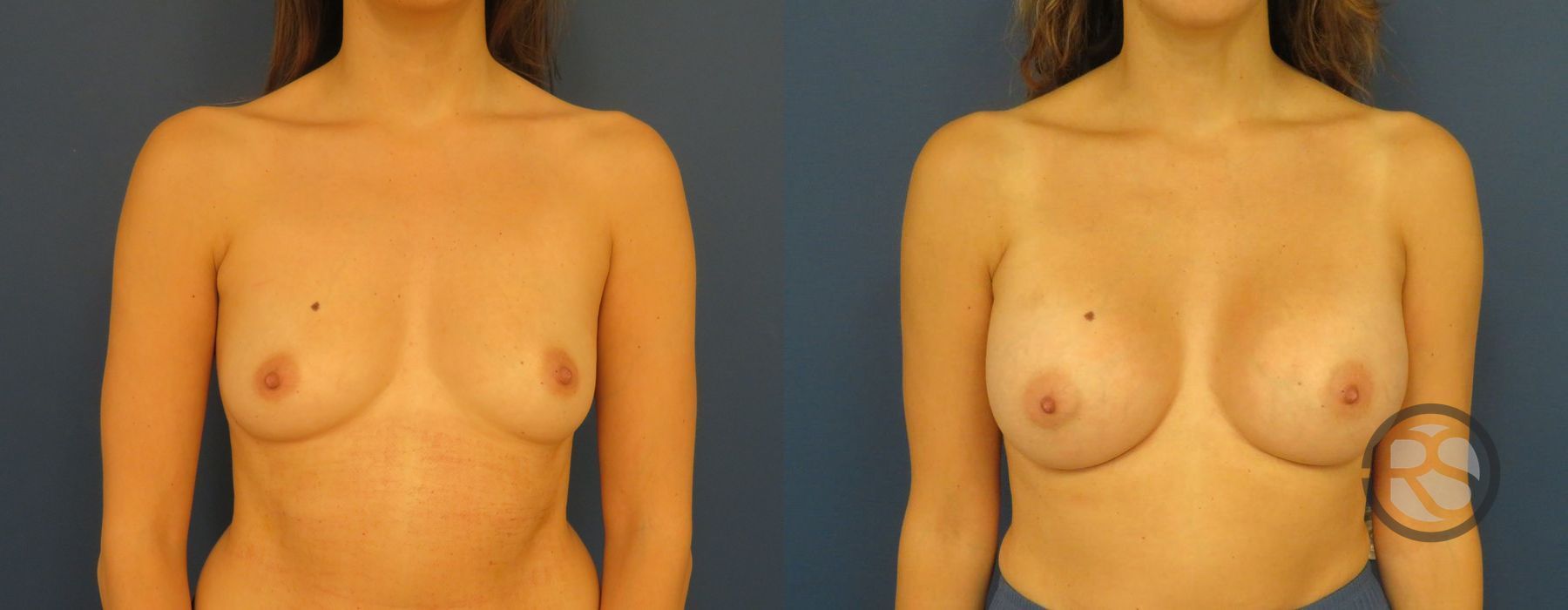
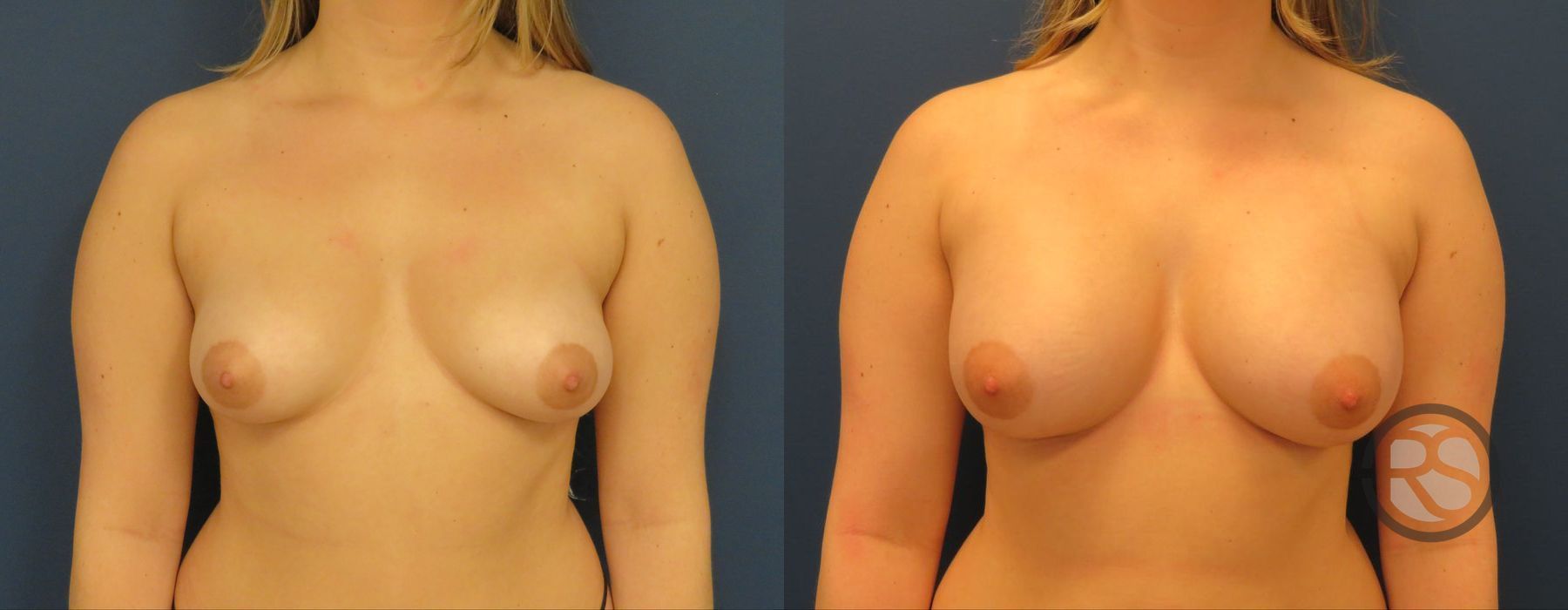
Case #19218
Breast Augmentation
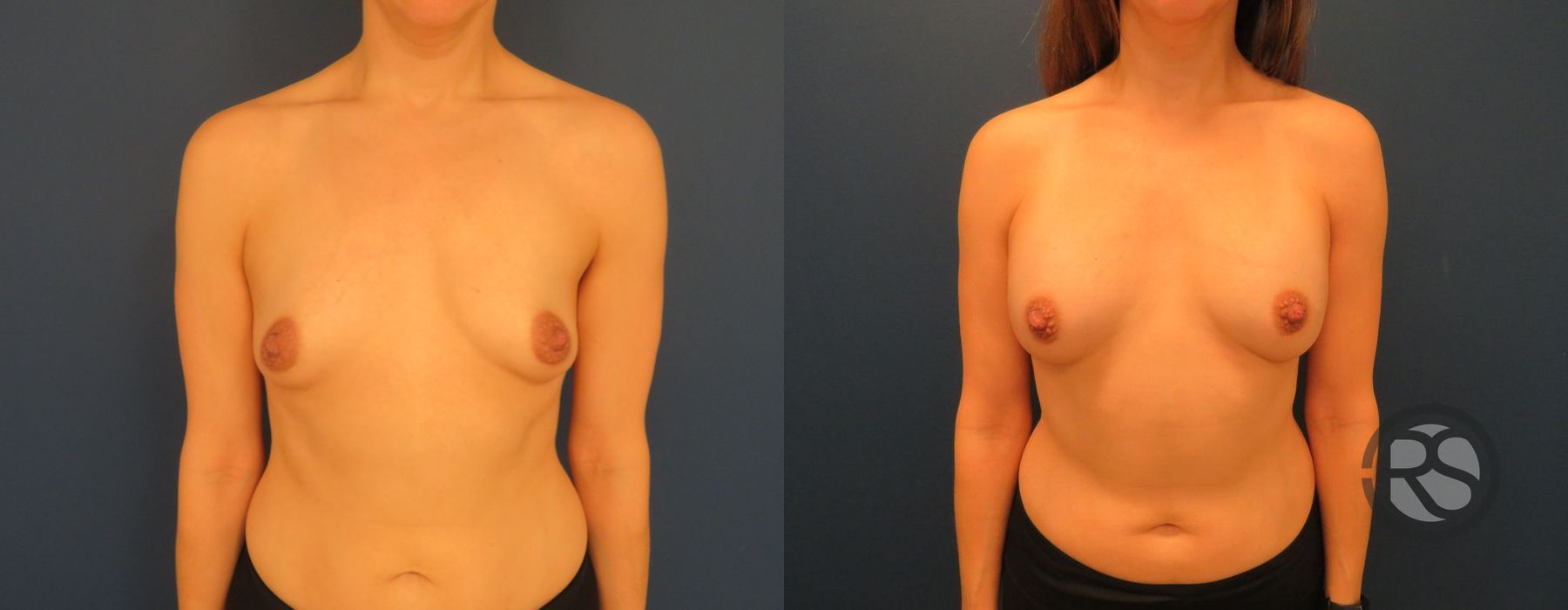
Case #18880
Breast Augmentation
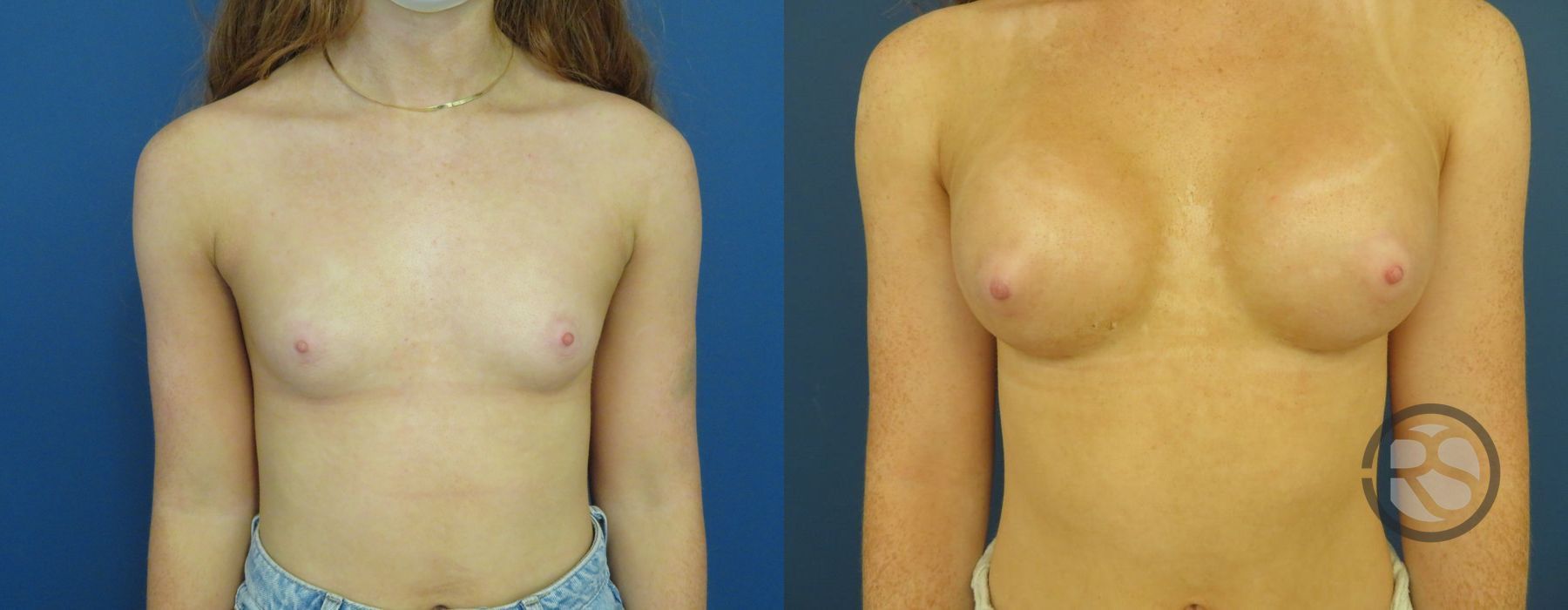
Case #19713
Breast Augmentation
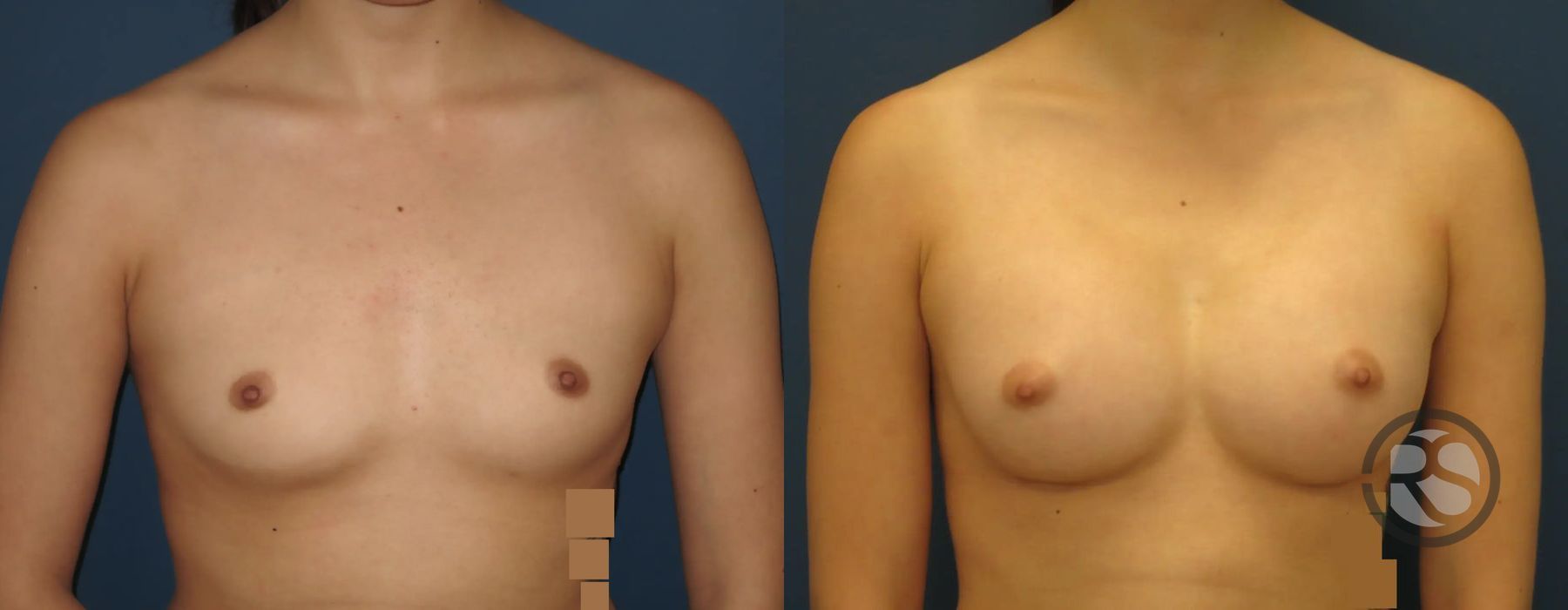
Case #17159
Breast Augmentation
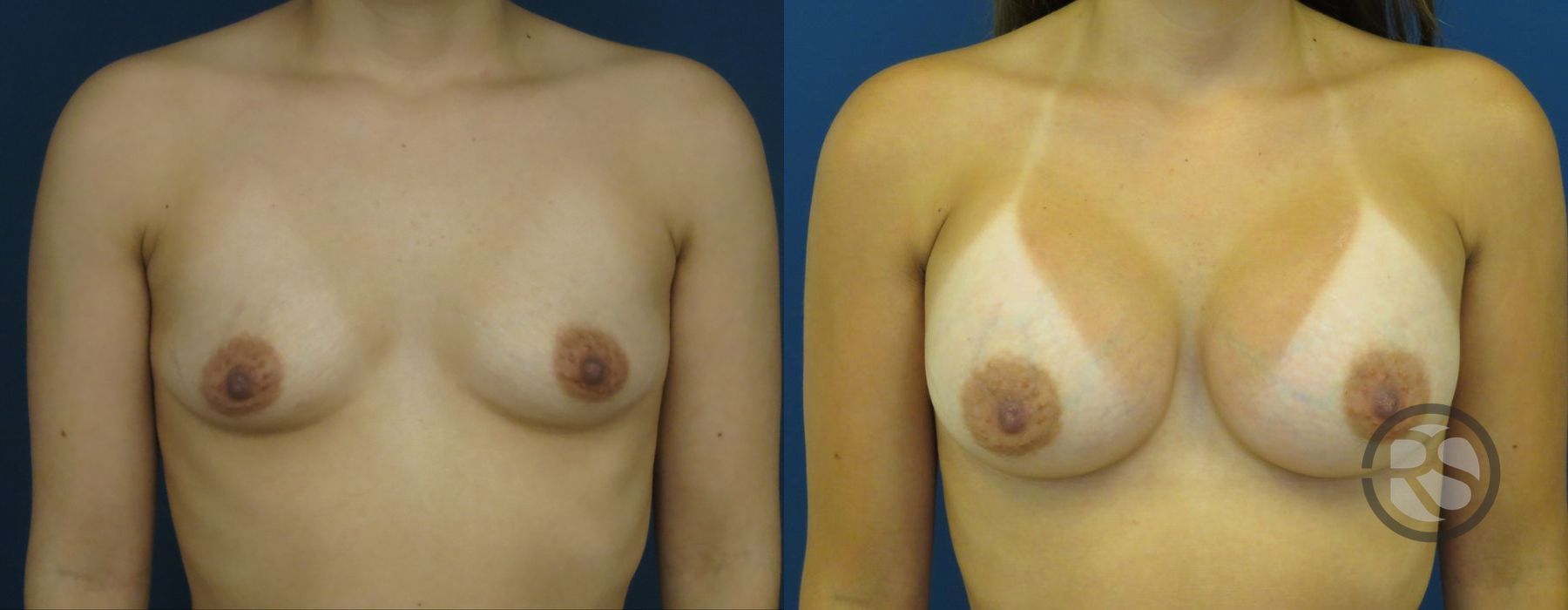
Case #17158
Breast Augmentation
What is a Breast Augmentation?
Breast augmentation is an operation that increases breast volume and reshapes the breast using a breast implant or, in select cases, transfer of fat or structural (precursor) fat. The procedure may be performed to:
- Increase overall breast volume
- Improve upper pole fullness
- Improve breast symmetry
- Restore volume lost due to pregnancy, natural aging, breastfeeding, or weight changes
- Enhance proportion between the chest and the rest of the body
- Improve fit of clothing
Breast augmentation alone does not correct significant breast sagging or reposition a nipple that is low. In patients with breast droop (ptosis), a breast lift may be recommended either alone or in combination with augmentation to achieve balanced positioning and support. Discuss what options for breast augmentation are best for your anatomy and goals during a consultation at our Chestnut Hill office just five miles outside of Boston.
Are there different kinds of Breast Augmentations and what are they?
Dr. Sadowski will work with you to find a breast augmentation that incorporates your anatomy, tissue quality, lifestyle and patient goals. Key variables include implant type, implant placement, and incision location.
Implant type
There are a variety of implant types to consider, these include:
- Silicone Gel
- Silicone gel implants have a jelly-like silicone gel placed within a silicone shell. These implants are favored for their soft texture, natural feel, and more natural appearance (less rippling).
- Over time, implant manufacturers have changed the formula of the gel. Generally, formulas that are more cohesive (sometimes called “Gummy Bear”) are less likely to ripple and have more longevity, where less cohesive gels are softer to touch.
- A broken silicone implant can cause inflammation and thickening of the scar tissue around the implant (capsular contracture). It is currently recommended by the FDA that 5 years after placement and every 2-3 years afterwards, that imaging be performed to confirm that the implant remains intact. Sadowski offers in-office ultrasound monitoring of silicone implants.
- Saline
- Saline implants are a popular choice for breast augmentation for many reasons. These implants are affordable and can be adjusted at the time of surgery for volume and symmetry. When a saline implant breaks, the sterile salt water that fills the implant is absorbed by the body, just like the fluid in an IV. If the implant breaks, it is obvious by appearance, and there is no need to monitor the implant with special imaging. Also, it is the only implant type that is FDA approved for women less than 22 years of age.
- Fat Transfer is a surgical procedure that uses your own fat, harvested from the abdomen, flanks, or thighs to enhance the size and shape of the breasts. This procedure can be done with or without implants. This is an excellent option for patients seeking a modest increase in breast volume, or to improve contour in a defined area.
- Structural Fat Transfer (AlloClae) is a surgical procedure that uses an off-the-shelf product instead of fat from your own body. Structural fat is terminally sterile, and maintains the 3-D structure of natural fat. As the body heals into the product, it is replaced with the body’s own fat. It is a good option for patients who have little to no fat to donate as part of a fat transfer procedure.
No augmentation procedure is universally superior. The ultimate selection depends on your anatomy, preferences, and long-term monitoring considerations. Dr. Sadowski will help you navigate your options to find the solution that is best for you.
Implant Projection
Implant projection is the same thing as implant profile. Generally, an implant with a higher profile will make the breast appear rounder. Because the width of your ribcage does not change during breast augmentation, the higher the profile the bigger the implant.
Implant placement
Implants may be placed either under or over the pectoralis major muscle. Both locations have benefits.
Placement under the pectoralis major muscle can either be a total coverage or partial coverage (like dual-plane). This procedure tends to position the implant higher on the chest wall, and creates more upper pole vs lower pole volume. The muscle adds a layer of padding over the implant, and this creates a more natural slope of the upper breast. Motion of the muscle helps to protect the implant from capsular contracture (thick scar tissue).
Placement over the pectoralis major muscle tends to place the implant slightly lower on the chest, and is helpful for patients with a loss of lower breast volume. Because of the location, movement of the pectoralis muscle is less likely to move the implant, which is called animation deformity. Implants in this position can either have some or minimal muscle fascia covering the implant. Adding fascia (subfascial) may help decrease capsular contracture rates.
Incision location
Common incision locations include the breast crease, around the areola, or within the underarm. Each approach has benefits and limitations related to surgical access, scarring, infection risk and implant positioning. Dr. Sadowski will recommend incision options based on your anatomy and implant selection during your consultation in our Boston area office.
Am I a candidate for Breast Augmentation?
Candidates for breast augmentation typically include patients who:
- Have breasts that are fully developed
- Desire increased breast volume or improved symmetry
- Are in good overall health
- Have stable weight
- Do not smoke/vape or are willing to stop nicotine use before and after surgery
- Understand that breast implants are medical devices with a life expectancy
- Understand that all surgeries have risks including scars, possible changes in sensation or tissue quality which may not be reversible.
You may need additional preparation or may not be an appropriate candidate if you have uncontrolled medical conditions, plan significant weight changes, or are pregnant or breastfeeding or were recently breastfeeding (in the last 6 months).
What are the benefits of a Breast Augmentation?
Patients may consider breast augmentation for potential benefits such as:
Increased breast volume
Improved proportion between the upper body and lower body
Restoration of volume after pregnancy or weight loss
Better fit of clothing
Improved self-esteem and confidence
Improved breast contour
Correction of mild asymmetry or tubular breast shape
Learn more about whether breast augmentation is a good fit for your desired goals by connecting with our Chestnut Hill/Boston area team today.
Patient Timeline
Schedule consultation
Meet with surgeon 45-60 minutes
Schedule surgery
Breast Augmentation Surgery 1 - 2 hours depending on anatomical factors
Return to work in 1 week.
Rest and recovery plan 1-6 weeks.
Dr. Sadowski and her team will customize your treatment plan. Please bring to your appointment both close-fitting and loose tops with a variety of fabric types. If you have aspirational photos, bring them as well. The timeline provided is a guide, and will be tailored based on your individual needs.
What is the First Step?
The first step starts with knowledge about the procedure. When you schedule an appointment at New England Reconstructive & Aesthetic Surgery, you will meet one-on-one with Dr. Sadowski in our award-winning office. She will spend time with you and discuss not only your concerns about your breasts, but your health, your lifestyle, and your goals for the future. If you and Dr. Sadowski agree that a breast augmentation is your best treatment path, our team will help to schedule surgery.
What to expect on the day of surgery?
The good news is that you will be very prepared on the day of surgery. Dr. Sadowski will have already discussed with you the surgical plan that best meets your goals, along with its risks, benefits and alternatives. Any changes to your medications or regular treatment regimen will have occurred. You will have all of your medications for after surgery. Because this surgery requires general anesthesia, you will need a responsible adult to bring you to and from the surgical facility. In effect, all you will need to do now is show up and let the healing begin.
What is the recovery like?
Recovery varies for each patient. Dr. Sadowski’s patients benefit from the use of local nerve blocks, which may last as long as 3 days. She is a proponent of the use of ERAS (Early Recovery After Surgery) protocols, and non-opiate alternatives to pain control.
Most patients can expect to progress over the following weeks to months with the following timeline as a guide (for specifics, please refer to Dr. Sadowski’s personal recommendations):
- Immediate: You will immediately see breast size increase! Walking is allowed.
- First week: Resting, no lifting, straining. Walking is allowed. Many people return to desk work at the end of the first week.
- Weeks 2–4: Gradual increase in light activity starting with something gentle like stretching and progressing toward stationary bike aerobic exercise. A mild training band may be recommended to help position the implant.
- Weeks 4–6+: Progressively increase exercise and upper-body training when cleared. Most patients return to all regular activities by the end of 6 weeks.
- Weeks 8-12: Most of the swelling has resolved. Implants are now approaching their final resting location. New bras can be fitted.
- 1 year: Final breast shape is achieved, and scar maturation has occurred. Mammograms continue on a regular schedule.
Dr. Sadowski will give you detailed pre- and post-operative instructions that include healing and recovery timelines during your pre-surgery consultation at our Chestnut Hill office.
How long do the results last for a Breast Augmentation?
Breast implants are long-lasting, but they are not considered lifetime devices. Over time, changes may occur due to aging, weight fluctuations, pregnancy, or implant-related factors. Ongoing follow-up, routine breast screening, and implant surveillance are important aspects of long-term care. Dr. Sadowski offers in-office ultrasound monitoring of implants for integrity.
What other procedures can be combined with a Breast Augmentation?
Other procedures can (and often are) combined at the same time as breast augmentation! Combining procedures often minimally impacts recovery time, and many patients prefer a meaningful change in body contour in a single setting. Common combinations include:
- Abdominoplasty (tummy tuck)
- Brachioplasty (arm lift)
- Breast Lift (mastopexy)
- Body lift (upper or lower)
- Mommy Makeover
- Liposuction
The right combination depends on health status, operative time, and how much recovery you can realistically support. Dr. Sadowski prides herself on helping patients navigate which surgical combinations will provide the greatest benefit.
What is breast implant illness (BII) and what do I need to know?
Breast implant illness (BII) is a term to describe a wide range of symptoms that some patients experience after receiving breast implants. These symptoms include fatigue and/or weakness, numbness/tingling, brain fog, depression and/or anxiety, arthralgia, myalgia, headache, hair loss, gastrointestinal issues, and weight change. Patients with both saline and silicone implants have described symptoms of BII. There is no single test to diagnose BII.
Luckily, BII is quite rare. For patients suffering from BII, 94% experienced at least partial relief of their symptoms after removal of the implant.
Connect With Dr. Rita Sadowski to Learn More About Breast Augmentation in Boston
If you are considering breast augmentation, a consultation with Dr. Rita Sadowski is an opportunity to discuss what you would like to change and whether augmentation is appropriate for you. As a double-board-certified plastic surgeon, Dr. Sadowski can explain the differences between implant and fat transfer augmentation, discuss considerations such as implant selection, breast anatomy, incision options, recovery, and potential risks, and answer questions about what you can reasonably expect from surgery. Please contact our team in the Chestnut Hill area of Boston to schedule a consultation and learn more about your breast augmentation options.