Bemotrizinol – the Latest Sunscreen
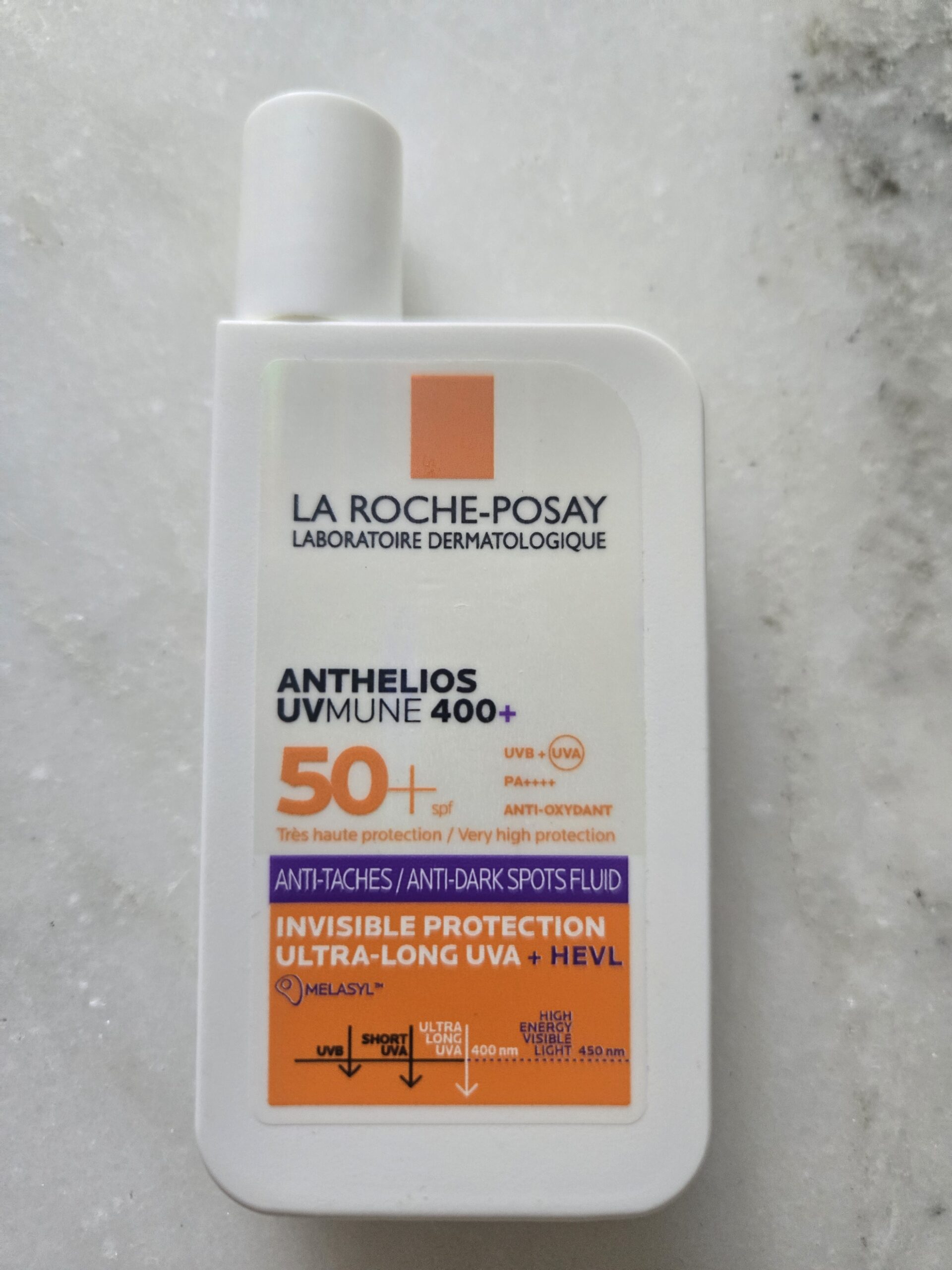
You may have heard that a new sunscreen product is coming to market. Bemotrizinol, also known as BEMT or Tinosorb S or Parasol Shield, is the first sunscreen to be approved for use in the US by the FDA since 1999. It is likely coming to products in your pharmacy and Amazon in the upcoming months.
If you know anything about me, you will know that I want to do my own research before spouting a bunch of thoughts or recommendations. So, what did I do? I completed an extensive review of literature on Open Athens. I even purchased 2 bottles of sunscreen with this compound while visiting the EU, brought them home to the US, and used them for 1 week straight. I used them on sunny days, both at the beach and pool. While the scientific data is available to all, the opinions and conclusions listed below are my own.
What Are the Benefits of BEMT?
- Like other organic sunscreens, it does not create a white cast on the skin.
- The products with BEMT felt quite light on the skin.
- Because the molecule of BEMT is larger than other organic sunscreens in the US, it is much less likely to be absorbed into the body/bloodstream. Specifically, BEMT concentrations rarely exceeded FDA’s defined threshold (0.5 ng/mL) in plasma. This comes with a caveat… it still does get into the bloodstream. In a 4 day trial of BEMT sunscreen applied 4 times per day, 1169/3722 patients had measurable concentrations higher than 0.1ng/ml in the blood.
- BEMT degrades less in sunlight than other organic sunscreens on the US market. This means that if it doesn’t wipe off, it is likely still working for you. Although recommendations are reapplication every 2 hours remain on the bottle, it can potentially remain active after UV exposure as much as 7 hours.
- BEMT helps stabilize other sunscreen molecules from photodegradation too.
- BEMT is currently (as of the date of this blog post) considered reef safe.
Well, all this sounds too good to be true. You might just be thinking, “This stuff is the best, where can I get it?” Hold on. For every good thing there are risks.
What Are the Downsides of BEMT?
- BEMT is NOT comfy to apply. When comparing LaRoche Posay UVmune 400+ (which has BEMT) to a micronized titanium dioxide, there was no contest. BEMT stings the skin on application. It is not fun if you already have a little underlying sunburn. My son hated it on his sun-irritated neck.
- BEMT is a potential pollutant.BEMT does not break down when exposed to sodium hypochlorite, which is the chemical used in most wastewater treatments. While it is good that it does not become something toxic, if we later decide that BEMT is harmful to the environment or humans, it might be difficult to destroy / remove.
What to Consider Before Choosing BEMT Sunscreen
So, where does this leave me and my recommendations for this sunscreen? Generally, I like it for application on skin areas where reapplication might be difficult (like ears or noses), especially if you are going to be exposed to UV for extended periods of time. However, I am always cautious about anything that gets absorbed in the bloodstream, even if it’s initially considered “safe”. If you can easily re-apply, for daily use, or if you have irritated skin from sunburn or a recent injury, I still prefer micronized titanium dioxide/zinc oxide formulas. And as always, sunscreen is always better than having UV damage to the skin. Sunburns are bad. Skin cancer is worse. So, wear the sunscreen!